

Community Safety in Sheridan, Wyoming
Keeping Each Other Safe: Sex Trafficking Awareness During the WYO Rodeo
WYO Rodeo week brings energy, pride, visitors, and connection into the heart of Sheridan. Alongside the celebration, it also gives us an opportunity to practice something deeply protective: paying attention to one another with care, clarity, and compassion.
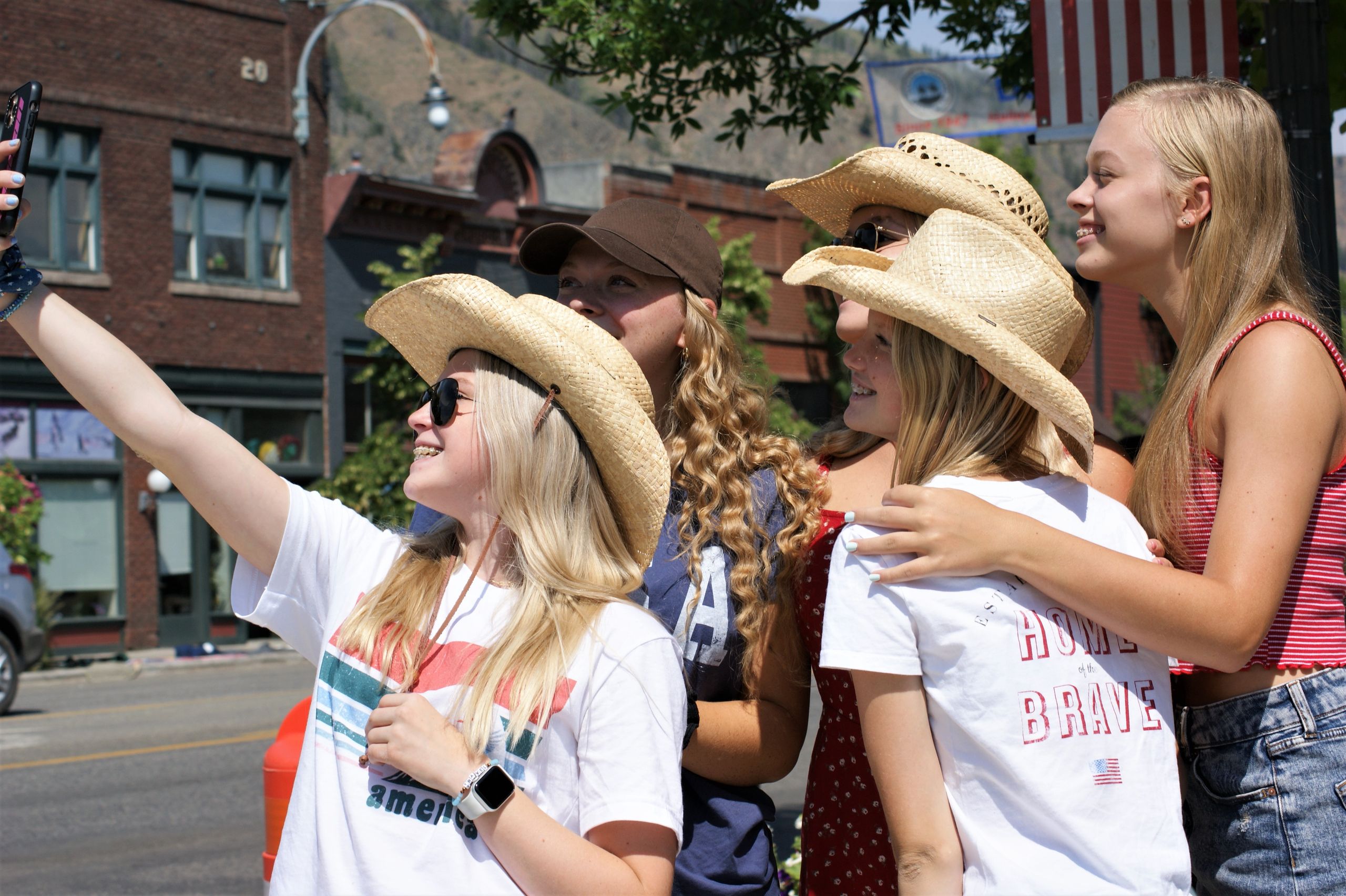
Sheridan is never more alive than during WYO Rodeo week. Streets fill with neighbors and visitors, families gather, and our shared pride in Wyoming tradition is easy to feel. Because the week is so community-centered, it is also a meaningful time to talk about safety.
This conversation is not about fear. It is about awareness. Large events can create temporary conditions where people are harder to track, lodging turns over quickly, alcohol use may increase, and vulnerable people may be easier to overlook. Therefore, a calm, informed community response matters.
Sex trafficking is often misunderstood. It does not always look dramatic, and it does not only happen somewhere else. More often, exploitation is hidden behind control, coercion, fear, dependency, or a relationship that looks normal from the outside. When we know the signs, we are better able to respond safely and connect people with trained help.
Immediate Danger
Call 911 if someone appears to be in immediate danger or needs urgent medical or police response.
Trafficking Concern
Call 1-888-373-7888 or text 233733 to reach the National Human Trafficking Hotline.
Local Crisis Support
Call the Advocacy & Resource Center of Sheridan 24/7 line at (307) 672-3222.
The Landscape of Awareness
Human trafficking involves exploitation through force, fraud, or coercion. In sex trafficking, a person is compelled to engage in commercial sex. In addition, any child under 18 involved in commercial sex is legally considered a trafficking victim, even if force, fraud, or coercion is not obvious.
Importantly, awareness should avoid rumors, stereotypes, or panic. Trafficking can affect people of different ages, genders, backgrounds, and communities. Traffickers may be strangers, but they may also be romantic partners, family members, employers, acquaintances, or people who first appear helpful.
During rodeo week, the goal is not to assume the worst about everyone around us. Instead, the goal is to notice patterns of control, fear, isolation, and exploitation, then involve trained professionals rather than trying to intervene alone.
A safer way to think about it
Look for combinations of concerning signs, not one isolated detail. Then report concerns to trained resources.
Quiet Signs That May Deserve Attention
One sign alone does not prove trafficking. However, several signs together may suggest that someone is being controlled, threatened, exploited, or prevented from seeking help.
Control
A companion answers for them, monitors their movements, controls their phone, or does not allow them to speak privately.
Fear
They appear unusually anxious, submissive, hypervigilant, confused, or fearful of the person they are with.
Missing Essentials
They do not control their own identification, money, transportation, medication, phone, or travel documents.
Inconsistent Story
They seem unsure where they are staying, give rehearsed answers, or cannot explain who they are with.
Isolation
They seem cut off from friends, family, support, money, transportation, or private communication.
Commercial Sex Concern
They appear pressured to perform sexual acts for money, shelter, substances, protection, or something of value.
 Protective communities are built through calm attention, not fear.
What To Do If Something Feels Wrong
If your gut tells you something is off, take it seriously. At the same time, do not confront the person you suspect is exploiting someone, and do not try to rescue someone on your own. A direct confrontation can increase danger for the person being exploited and for you.
Instead, step back, observe what you can safely observe, and contact trained responders. Useful details may include location, descriptions of people involved, vehicle information, license plate numbers, concerning behaviors, and whether anyone appears to be in immediate danger.
When a situation feels urgent or happened very recently, calling, texting, or chatting with the National Human Trafficking Hotline is typically better than using an online form. If someone is in immediate danger, call 911 first.
A Protective Response in Three Steps
1. Stay Safe
Do not confront, follow, threaten, or separate people yourself. Keep distance and prioritize immediate safety.
2. Notice Details
Write down or remember what you observed: time, location, descriptions, vehicles, and specific behaviors.
3. Report
Call 911 for immediate danger. For trafficking concerns, contact the National Human Trafficking Hotline or local victim-support resources.
Compassion Comes First
Survivors are never responsible for the exploitation used against them. Traffickers often target vulnerability, including housing instability, financial pressure, trauma history, isolation, substance use, immigration concerns, relationship dependence, or the desire to be loved and protected.
Because coercion can be emotional, financial, physical, relational, or psychological, a survivor may not identify their experience as trafficking right away. They may also fear retaliation, judgment, legal consequences, loss of housing, separation from a partner, or not being believed.
For that reason, the most helpful community posture is steady and nonjudgmental: believe safety matters, avoid blame, and connect concerns to people trained to respond.
Safety grows when a community refuses both panic and silence.
Local and National Resources
Save these resources before rodeo week, especially if you work in hospitality, restaurants, transportation, healthcare, retail, event staffing, youth programming, or public-facing community roles.
National Human Trafficking Hotline
Call: 1-888-373-7888
Text: 233733
TTY: 711
Available 24/7. Use this for potential trafficking situations, help, safety planning, or reporting tips.
Uprising Wyoming
Address: 532 Val Vista Street, Suite 106, Sheridan, WY 82801
Phone: 307.655.7511
Sheridan-based anti-trafficking organization focused on awareness, education, and outreach.
Advocacy & Resource Center of Sheridan
24/7 Crisis Hotline: (307) 672-3222
Local support for victims of violent crimes, including advocacy, resources, safety support, and connection to help.
Wyoming Coalition Against Domestic Violence & Sexual Assault
Main Office: 307-755-5481
Toll Free: 1-844-264-8080
Statewide coalition offering advocacy resources, legal assistance, training, prevention, and member-program support.

Key Takeaways for WYO Rodeo Safety
- Togetherness is protection: Community attention can reduce isolation and help people access support.
- Patterns matter: Look for combinations of control, fear, missing essentials, isolation, and exploitation.
- Do not confront: Keep yourself safe and avoid escalating danger.
- Report concerns: Call 911 for immediate danger or contact the National Human Trafficking Hotline for suspected trafficking.
- Lead with compassion: Survivors deserve support, privacy, dignity, and nonjudgmental care.
Trauma Support Should Feel Safe, Steady, and Human
If trafficking awareness, sexual violence, relationship control, grief, anxiety, or trauma has stirred something in you, support is available. Dynamic Reflections provides therapy and psychological assessment in Sheridan and through appropriate telehealth options.
Related Support From Dynamic Reflections
Community safety and mental wellness belong together. If this topic connects with your own experiences, these services may be helpful starting points.
Frequently Asked Questions
Does sex trafficking only happen in large cities?
No. Human trafficking can happen in any community. It may be less visible in smaller communities, but awareness still matters.
Should I confront someone if I suspect trafficking?
No. Confrontation can increase danger. Keep distance, note details if it is safe, and contact 911 for immediate danger or the National Human Trafficking Hotline for trafficking concerns.
What should I report?
Report specific observations such as location, descriptions, behaviors, vehicles, license plate numbers, timing, and why the situation raised concern.
Can Dynamic Reflections respond to an active trafficking situation?
Dynamic Reflections can provide therapy and mental health support, but active trafficking concerns should be reported to emergency services, law enforcement, local advocacy resources, or the National Human Trafficking Hotline.
Reflect. Grow. Thrive.
Awareness is not about suspicion. It is about refusing to look away when someone may need help. By staying informed, calm, and connected, Sheridan can keep WYO Rodeo week rooted in celebration, dignity, and shared care.
At Dynamic Reflections, we believe mental wellness and community safety belong in the same conversation. If you are carrying the emotional impact of trauma, exploitation, abuse, or fear, you deserve support that honors your safety and your story.
