The Ultimate Guide to Emotional Wellness During the Holidays ❄️ Everything You Need to Succeed at Work and Home
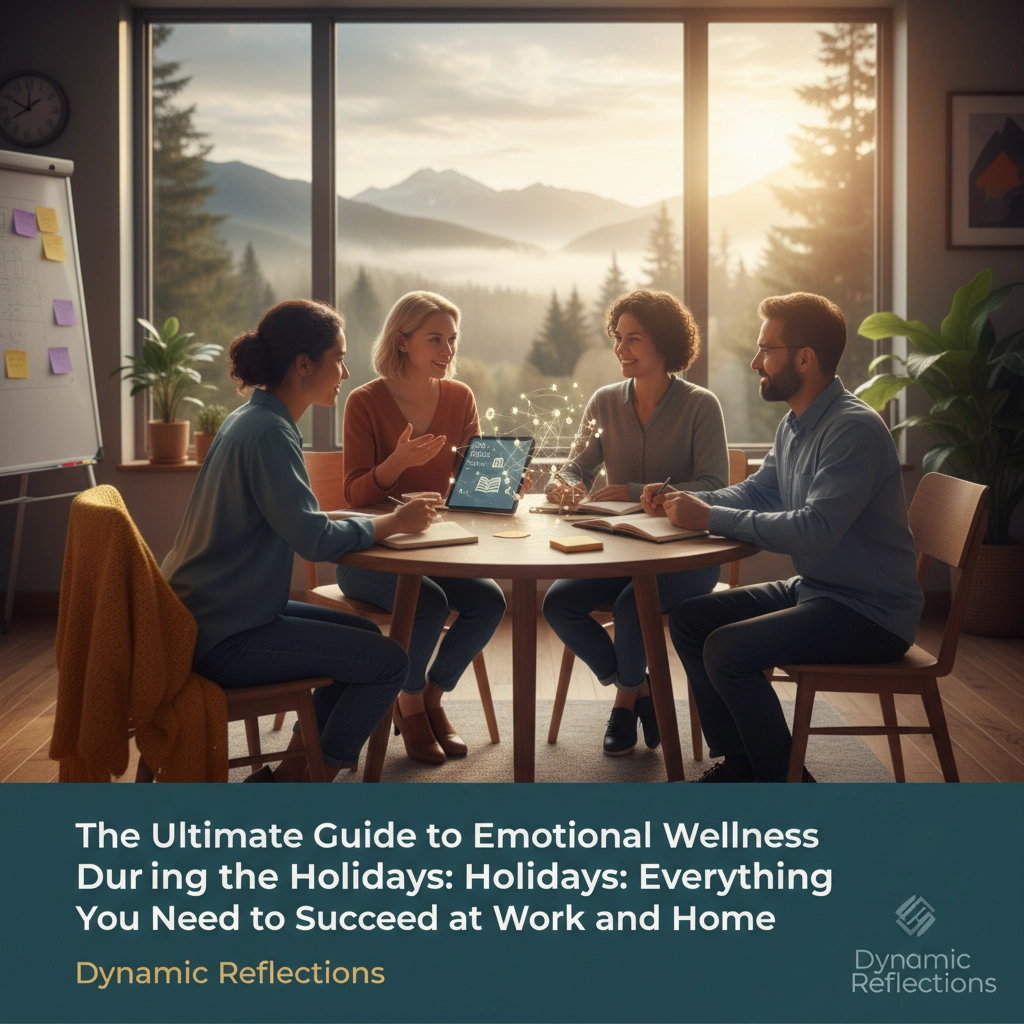
The holiday season arrives with twinkling lights and warm expectations. Yet for many of us, it also brings a familiar weight, the pressure to feel joyful while juggling work deadlines, family obligations, and our own emotional needs.
What if this year could be different? What if emotional wellness during the holidays isn't about perfection, but about showing up authentically for both your professional responsibilities and personal relationships?
Understanding your holiday emotional landscape ❄️
First, let's acknowledge something important: feeling a mix of emotions during the holidays is completely normal. Research shows that rather than expecting pure joy, we should recognize that complex feelings, loneliness, grief, stress, and happiness, often coexist during this season (SAMHSA, 2023).
Give yourself permission to feel each emotion without judgment. That project deadline stress can sit alongside excitement about seeing family. Holiday grief can coexist with moments of genuine gratitude. This emotional complexity isn't a flaw in your holiday experience, it's part of being human.
The key is acknowledging what you feel instead of suppressing it. When we accept our full emotional range, we create space for authentic wellness rather than forced cheerfulness.

Build your self-care foundation 🕯️
Self-care during the holidays isn't selfish, it's strategic. Think of it as building a foundation that supports both your work performance and personal relationships.
Focus on the six dimensions of wellness: physical, occupational, emotional, spiritual, social, and intellectual (Living Water Clinic, 2023). Instead of overwhelming yourself with dramatic changes, dedicate small amounts of time to each area throughout your week.
Physical wellness starts with the basics that directly impact your mental state. Maintain consistent sleep and wake times, even when your schedule shifts. Research indicates that eating balanced meals with fruits and vegetables, combined with regular exercise, particularly outdoors during midday sunlight, significantly improves mood regulation and helps manage seasonal affective symptoms (NCOA, 2023).
Emotional wellness means scheduling time specifically for activities that recharge you. Whether that's reading, creative pursuits, meditation, or simply sitting quietly, these aren't luxuries, they're necessities for maintaining your emotional stability.
Occupational wellness involves protecting your work boundaries. Schedule intentional breaks, communicate your availability clearly, and remember that imperfection is part of the journey, not a failure (Ohio Prevention CoE, 2023).
Set boundaries that actually work 🎁
One of the most powerful tools for holiday emotional wellness is learning to say no. The season brings numerous social obligations and requests that can feel overwhelming, but you don't have to participate in everything.
At work, clearly communicate your holiday availability. Set specific limits on hours worked, establish times when you won't check emails, and take your scheduled breaks. This prevents work stress from compounding with holiday pressure.
In social situations, grant yourself permission to step away from gatherings when needed. Limit exposure to individuals who typically cause stress, and spend more time with people who help you recharge. Creating new traditions that align with your values, rather than adhering to obligations, can transform your entire holiday experience.
Remember: saying no to some things means saying yes to what matters most: including your own well-being.
Manage stress and difficult emotions ✨
Develop a concrete plan for moments when you feel overwhelmed, sad, or lonely. This might include calling a friend, taking a walk, engaging in a favorite activity, or watching something comforting. Having predetermined coping strategies makes difficult moments more manageable.
Practice stress-management techniques like deep breathing, mindfulness, and meditation. When facing challenging thoughts or emotions, remember that while you can't control your initial response, you can control how you interpret situations and respond to them.
For those experiencing seasonal affective disorder (SAD), which commonly occurs during winter months due to reduced daylight, consult your healthcare provider about effective treatments including light therapy, medication, and talk therapy. Additionally, be mindful of using alcohol or substances to cope with holiday stress, as these typically worsen anxiety and sadness rather than relieve them.

Build meaningful connections 🎄
Loneliness during the holidays is common, but it's highly manageable through intentional connection-building. If you can't be near loved ones, seek community through clubs, support groups, community centers, or faith communities. Even brief conversations and regular phone calls with family and friends can significantly ease feelings of isolation.
Consider supporting others while supporting yourself. Checking in on loved ones who may be struggling not only brings them joy but also improves your own happiness and well-being. If someone you care about isn't in the holiday spirit, respect their feelings and suggest low-pressure alternatives like volunteering together, enjoying a cozy dinner at home, or watching movies.
Virtual gatherings, community events, and seasonal activities like holiday light walks can foster a sense of belonging and shared experience when traditional celebrations feel overwhelming.
Manage financial and work pressure 🧦
Holiday financial stress is real and impacts emotional wellness significantly. Think ahead about reasonable spending limits and create a realistic plan before the season progresses. This prevents financial regret after the holidays end and reduces anxiety during gift-giving decisions.
At work, maintain your usual routines as much as possible despite schedule disruptions. Continue your established self-care practices: your nutrition, exercise, and daily rhythms significantly influence both physical and emotional well-being throughout the season.
When work demands increase during the holidays, remember that sustainable performance comes from consistent self-care, not from pushing through exhaustion.
Create sustainable holiday practices 🌿
Rather than viewing the holidays as an exception to your normal routines, treat them as an opportunity to strengthen your year-round wellness practices. The strategies you implement now: consistent sleep, regular exercise, mindful eating, boundary-setting, and emotional processing: become the foundation for wellness throughout the new year.
Practice gratitude, which research shows reduces stress levels and improves sleep quality, immune function, and relationship strength. This doesn't require elaborate practices: simple acknowledgment of what's working in your life can shift your entire perspective.
Remember that authenticity matters more than perfection. The holidays don't need to look a certain way; they only need to feel genuine and manageable for you.
Move forward with compassion 💫
The most transformative insight about holiday emotional wellness might be this: you don’t have to choose between taking care of yourself and showing up for others. In fact, the better you care for your emotional needs, the more present and authentic you can be in your relationships and work.
Healing and growth don’t mean you never struggle again: they mean you learn to meet challenging moments with compassion instead of shame. This holiday season, what would it feel like to give yourself permission to experience the season authentically, honoring both your responsibilities and your emotional needs?
If you’re ready to explore more structured support for emotional wellness during the holidays and beyond, consider connecting with mental health professionals who understand the unique challenges of maintaining well-being during high-stress seasons. Your emotional wellness isn’t just a personal gift; it’s a professional strength and a foundation for meaningful relationships.
References
Living Water Clinic. (2023). Holiday mental health and wellness tips. Living Water Clinic Blog.
National Council on Aging (NCOA). (2023). Managing seasonal affective disorder and holiday stress. NCOA Health Resources.