Why We Fight: The Surprising Science of Connection (And How Couples Therapy Can Help)
![[HERO] Why We Fight: The Surprising Science of Connection (And How Couples Therapy Can Help)](https://cdn.marblism.com/zZR6sa7kiWY.webp)
Here’s something many couples don’t realize when they’re stuck in an argument: you’re usually not fighting about what you think you’re fighting about. Couples therapy often reveals that the disagreement about dishes, the tension over planning date night, or even recurring conflict around money, parenting, or intimacy often has deeper roots.
While these issues feel central, research shows they are often surface expressions of something deeper. As a result, couples therapy increasingly focuses on what sits beneath the argument, not just what is being argued about.
What’s Really Behind Unresolved Conflict
Recent relationship research from 2023–2025 shows that unresolved conflict is most often driven by unmet attachment needs rather than practical disagreements (Carr, 2025). In other words, relationship conflict escalates when emotional needs for safety, responsiveness, and connection go unmet.
Think of conflict as a signal. The argument is the alarm. The real issue is the emotional disconnection underneath.

Attachment Insecurity Drives Relationship Distress
Across modern couples therapy research, attachment insecurity consistently emerges as a core driver of chronic relationship distress. Partners with anxious or avoidant attachment patterns are more likely to experience repetitive conflict cycles and ineffective repair attempts (Hasim et al., 2023).
For example, one partner may pursue connection through criticism or urgency. Meanwhile, the other may withdraw, shut down, or avoid difficult conversations. Although these behaviors look oppositional, both partners are attempting to protect themselves emotionally.
Therapists regularly identify attachment injuries, such as emotional abandonment, betrayal, or unavailability, as central contributors to marital distress (Oberoi et al., 2023). Furthermore, attachment anxiety and avoidance intensify conflict during major life transitions like parenthood or career changes (Lessard et al., 2025).
Key takeaway: Couples remain stuck when emotional safety and availability feel uncertain, even if partners cannot name this directly.
Emotional Flooding Escalates Arguments
Importantly, couples do not struggle because they disagree. Instead, unresolved conflict is strongly linked to emotional flooding and nervous system dysregulation. When emotions overwhelm the system, partners lose access to empathy, flexibility, and listening. Consequently, conversations escalate rather than resolve. Research shows that emotional distress mediates the link between ineffective arguing and destructive behaviors in couples seeking therapy (Lowery et al., 2023).
Simply put, you are not failing to communicate. You are trying to communicate while emotionally overwhelmed.

Missed Signals and Failed Bids for Connection
Emotions are often communicated ineffectively. When expressed indirectly, they are more likely to trigger defensiveness in the partner.
Attachment-based research identifies withdrawal, defensiveness, and misattunement as behaviors that maintain relationship conflict (Seedall et al., 2025). When distress comes out as criticism or pulling away, a partner may not realize it’s actually a quiet attempt to connect. However, studies show that improving how partners signal needs and respond reduces emotional arousal and negative experiences during conflict (Seedall & Wampler, 2023).
Key takeaway: Conflict persists when partners cannot ask for connection safely or respond without defensiveness.
Old Wounds Fuel Present-Day Arguments
For many couples, ongoing conflict is less about the issue in front of them and more about unresolved relational injuries beneath the surface. When partners have experienced attachment wounds (i.e. betrayal, neglect, or abandonment) those experiences can quietly shape how they relate to one another, often leading to lingering distress and repeating cycles of conflict (Davidar et al., 2025). Additionally, unresolved grief and earlier attachment wounds heighten sensitivity to perceived rejection (Mendelson, 2024).
That intense reaction to a small comment is rarely about the comment itself.
Common Conflict Cycles Seen in Couples Therapy
Research and clinical experience consistently identify predictable conflict cycles in couples therapy. Recognizing your pattern is often the first step toward meaningful change.

The Pursue–Withdraw Cycle
What it looks like: One partner pursues through criticism or urgency, while the other withdraws through avoidance or shutdown. What’s underneath: Fear of abandonment for the pursuer and fear of failure or overwhelm for the withdrawer.
This pattern often reflects attachment anxiety or avoidance and, when partners don’t have support in addressing it, can slowly erode relationship satisfaction over time (Hasim et al., 2023; Lessard et al., 2025).”
The Mutual Escalation Cycle
What it looks like: Both partners criticize, defend, and escalate quickly. Arguments end without repair. What’s underneath: Mutual fear of not being heard combined with emotional dysregulation. Without intervention, this pattern increases contempt, one of the strongest predictors of relationship breakdown (Lowery et al., 2023).
The Withdraw–Withdraw Cycle
What it looks like: Minimal conflict but growing emotional distance, reduced intimacy, and quiet resentment. What’s underneath: Hopelessness and fear that reaching out will not be met. This pattern is associated with attachment avoidance and marital disenchantment (Montazeri et al., 2025).
The Injury-Reactivation Cycle
What it looks like: Small disagreements trigger outsized emotional reactions. What’s underneath: Unresolved attachment injuries such as affairs, betrayal, or abandonment. Until these injuries are addressed in couples therapy, conflict continues to reactivate old pain (Davidar et al., 2025).
How Couples Therapy Helps: In-Person and Telehealth
Understanding your conflict cycle is powerful. However, breaking it often requires support.
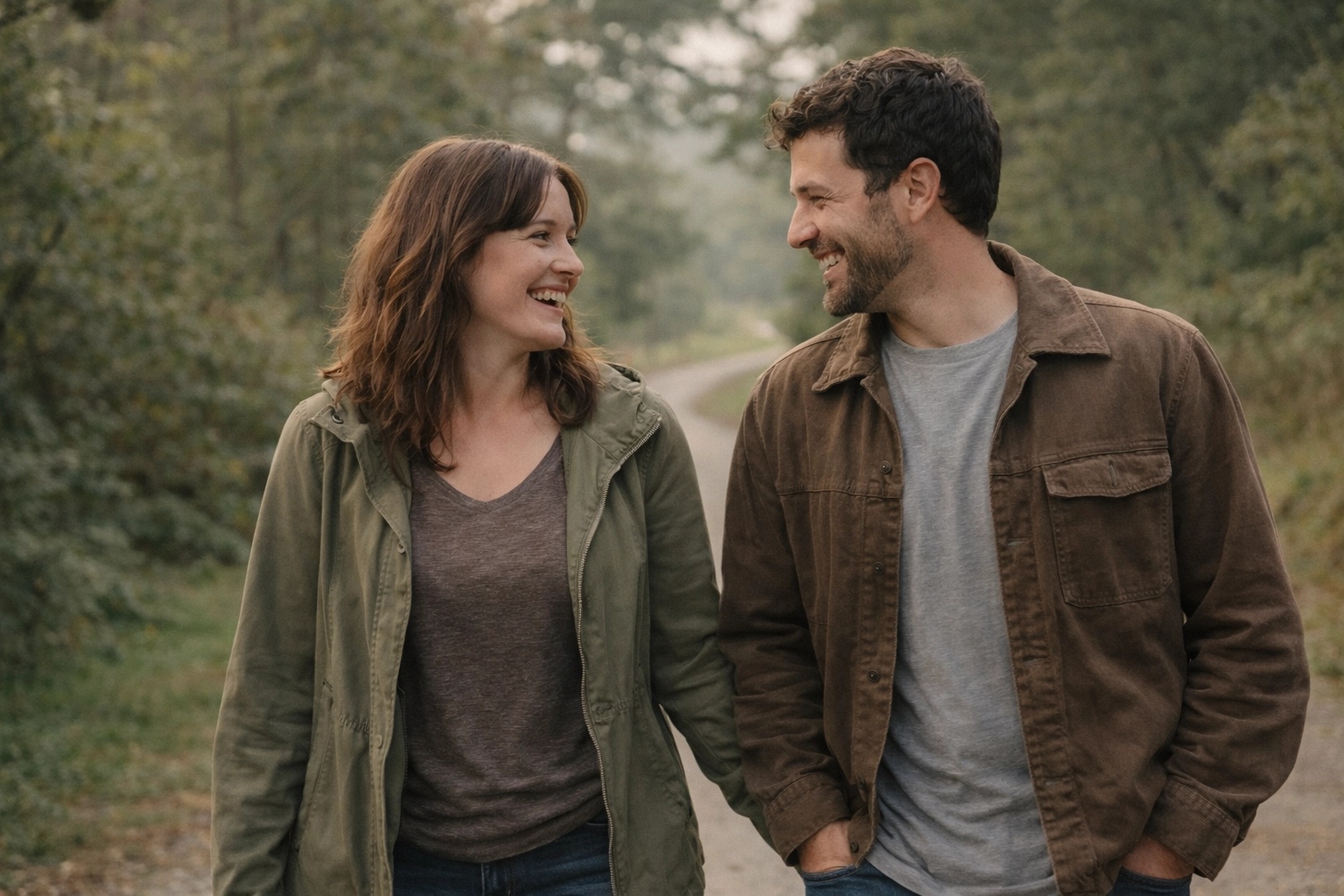
Couples therapy provides a structured and emotionally safe space to slow interactions, clarify needs, and rebuild connection.
- Identify the emotional drivers beneath conflict
- Restructure how partners signal needs and respond
- Increase emotional safety and responsiveness
- Heal unresolved attachment injuries
- Develop effective repair skills
Research consistently shows that emotion-focused couples therapy reduces marital distress and improves relationship satisfaction (Montazeri et al., 2025; Tseng et al., 2025).
At Dynamic Reflections, we offer both in-person and telehealth couples therapy. Telehealth provides flexibility and access, while in-person sessions offer face-to-face connection. Both formats are effective when the therapeutic relationship is strong.
Learn more about our approach to couples therapy.

The Path Forward
Couples often seek therapy due to repeated conflict cycles rooted in attachment insecurity, emotional dysregulation, and unmet needs for safety and connection (Carr, 2025). These patterns are not signs of failure. Rather, these learned responses are shaped by experience and stress. Attachment security in a relationship is a focus in couples therapy. Emotional safety created and reconsructed. Conflict can become a pathway to connection.
If you and your partner feel stuck, support is available. Contact us to schedule couples therapy, either in-person or via telehealth, and begin moving from conflict toward connection.

Book Your Session today.
Reflect. Grow. Thrive.
To learn more about the providers working within this area of focus, click on the names below:
Dr. Katie Card Adrienne Halanick